June 5, 2026
In the realm of home improvement, one common dilemma is whether to resurface or replace certain elements. This article explores the factors influencing this decision, offering insights to help you make the most informed choice. Homeowners often face the decision to either update an area through resurfacing or start fresh with a complete replacement. Various factors, including cost, longevity, and aesthetic preferences, play a role in this choice. By analyzing these components, you can discern what best fits your specific situation and long-term goals. Whether it's a driveway, countertop, flooring, or a project involving pool deck resurfacing, understanding the nuances of each option is crucial.
Resurfacing and Replacement
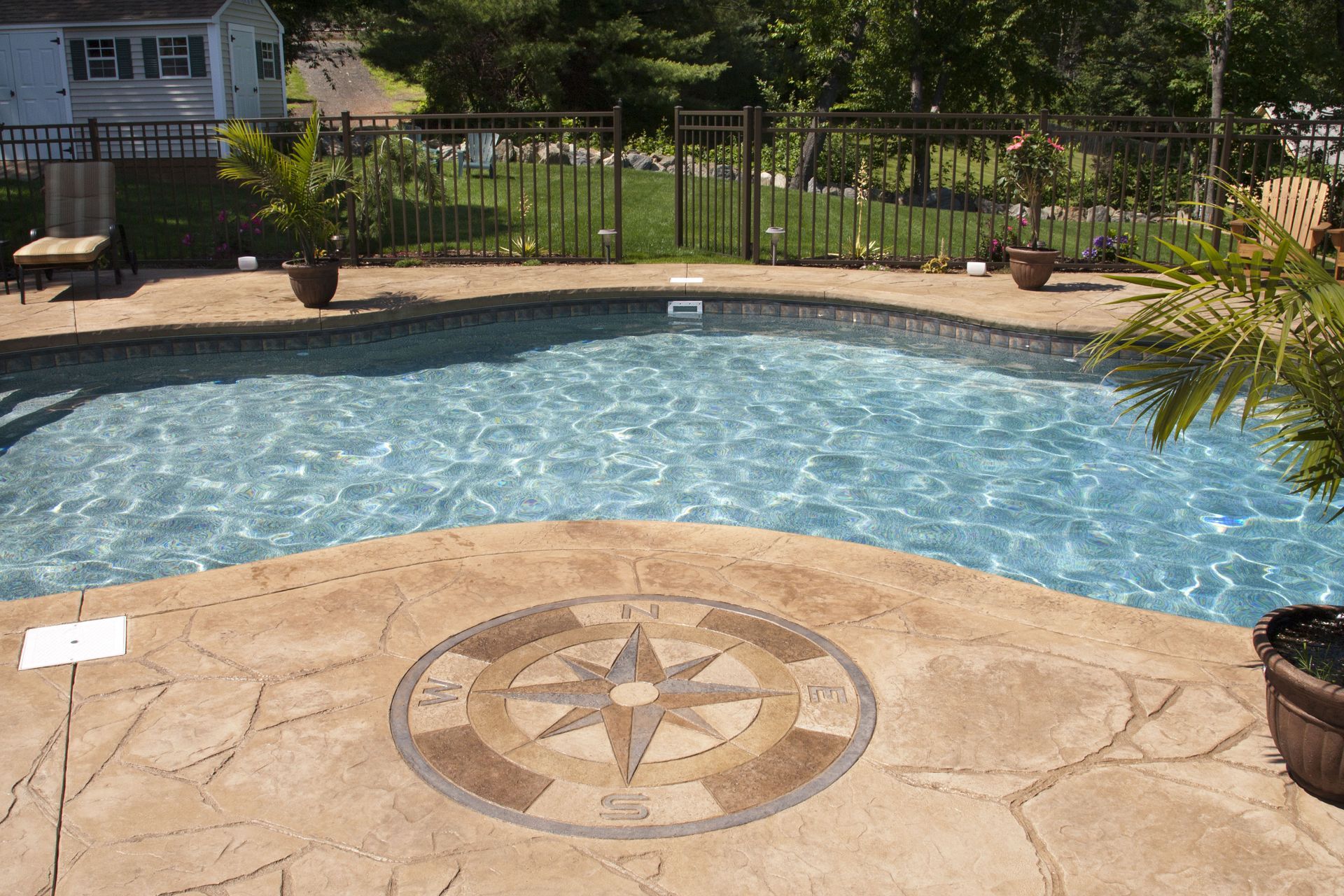
Resurfacing involves applying a new layer over an existing surface, effectively giving it a new finish. This method is particularly useful in situations where the structure is fundamentally sound, but its appearance is worn. Common applications include concrete driveways, countertops, wooden decks, and pool deck resurfacing projects that restore appearance without requiring complete replacement. The process can rejuvenate a space quickly without the full expense and labor of total replacement. It is a cost-effective, time-efficient choice when conditions are right.
Replacement involves removing the old structure and installing a new one. This option is typically considered when the original item is beyond repair or poses safety hazards. It can be the only viable solution when damage is extensive, making resurfacing unfeasible. With replacement, you have the opportunity to upgrade materials or designs. It may require substantial investment, but it can drastically improve both safety and aesthetics.
The primary differences between resurfacing and replacement lie in their processes, costs, and results. Resurfacing generally requires less labor and is less expensive since it fixes only surface issues. Replacement, however, is more invasive and costly as it involves removing the existing structure. The outcomes also vary, as resurfacing provides a renewed look, whereas replacement offers a completely new start, often with superior materials. Determining which option best meets your needs depends greatly on the condition and purpose of the item in question.
Resurfacing is ideal for surfaces that are structurally sound but cosmetically worn. For example, a concrete patio might just need a new topcoat rather than complete demolition. On the other hand, replacement is required when structural integrity is compromised; rotted wooden decks or cracked beyond repair driveways are prime candidates. Assessing the overall condition and specific needs is crucial before deciding. Each scenario must be evaluated individually to best meet both functional and aesthetic requirements.
Cost is always a significant factor in the decision between resurfacing and replacement. Resurfacing often provides an economical alternative, with projects like concrete leveling costing 25% to 50% less than concrete replacement, according to Homeguide. However, if recurring maintenance is needed, expenses can accumulate over time. Replacement, though more expensive initially, might offer a better long-term financial decision due to modern, more durable materials. Evaluating both short-term and long-term costs is vital in making an informed choice.
When to Choose Resurfacing
A thorough assessment of the surface condition is imperative to determine if resurfacing is suitable. Minor cosmetic damage can often be addressed by resurfacing without further structural concerns. Cracks, stains, or discoloration that don't affect stability are typically good candidates for resurfacing. This is especially true for pool deck resurfacing, where cosmetic wear often occurs long before structural issues develop. By evaluating elements such as material integrity, overall wear, and usage level, you can decide if resurfacing meets your needs. A professional assessment can provide expert insight, ensuring the right option is chosen.
Conducting a cost-benefit analysis helps weigh the advantages of resurfacing against its expenses. For homeowners on a tighter budget, the lower initial cost of resurfacing can be financially appealing. The benefits, including a refreshed aesthetic and prolonged usability, can often justify the expenditure. However, it's vital to consider potential recurring costs, as resurfaced areas might require periodic touch-ups. Understanding the specific situation and financial constraints will guide you to the most beneficial decision.
Resurfacing can be an environmentally friendly option, as it minimizes waste by updating existing materials. The process typically requires fewer resources since only surface layers are renewed rather than completely replaced. Reduced waste and material usage align with sustainable practices, making it a more ecological choice. It contributes to a smaller carbon footprint, appealing to environmentally conscious homeowners. By choosing to resurface over replacement, you contribute positively to environmental conservation efforts.
When Replacement is Necessary
Recognizing signs of irreparable damage is essential in deciding if replacement is required. Significant structural cracks, mold infestations, or deeply ingrained stains indicate that resurfacing won't suffice. Once foundational integrity is compromised, replacement becomes unavoidable to ensure safety and functionality. Trails of severe wear and extensive deterioration are signals that cannot be ignored. Addressing these indicators promptly prevents further damage and higher costs over time.
In certain scenarios, safety and structural integrity dictate the decision to replace. Compromised structures pose potential hazards, necessitating immediate action to avoid accidents. Elements like flooring that might collapse or unstable decks jeopardize inhabitants' safety if not properly addressed. Replacement ensures compliance with safety standards and restores peace of mind. Prioritizing safety over aesthetics is always paramount when making these critical decisions.
Opting for replacement can offer substantial longevity and performance improvements. Incorporating contemporary materials and advanced construction techniques provides enhanced durability. New installations often come with extended warranties, offering better guarantees than resurfacing typically provides. Over the long run, a carefully chosen replacement can yield improved functionality and reduced maintenance demands. The decision to replace can thus offer superior long-lasting value.
Expert Insights and Case Studies
Industry experts offer valuable perspectives on the resurfacing versus replacement debate. Consulting these professionals provides clarity, as they often have vast experience and knowledge. They take into account various factors, allowing for accurate assessments and recommendations. Expert opinions guide both novice homeowners and seasoned renovators in making educated decisions. Their insights bridge technical understanding with practical application, enhancing project outcomes.
Numerous case studies highlight the success of resurfacing projects under the right conditions. For example, pool deck resurfacing can transform a faded, weathered outdoor space into an attractive feature while avoiding the expense of a full replacement. Similarly, kitchen countertops received new life with updated finishes, extending functional use gracefully. These projects demonstrate the potential of resurfacing to rejuvenate without hefty expenditures. Understanding these examples equips homeowners to identify customizable options for their needs.
Financial Planning for Resurfacing or Replacement
Effective budgeting is crucial for managing resurfacing or replacement projects. Begin by identifying all potential costs, including materials, labor, and contingencies. Setting a clear budget helps align possibilities with financial capacities, preventing overspending. Consider allocating a small portion of the budget for unexpected expenses to safeguard against unforeseen issues. Clear financial planning supports successful execution and minimal disruptions.
Numerous financing options are available to support significant renovation projects. Home equity loans, lines of credit, or personal loans provide additional resources if needed. Each option requires understanding the terms, interest rates, and repayment schedules to avoid potential financial strain. Properly leveraging these choices can facilitate project completion without immediate monetary pressure. Choosing the right financing path ensures stability and peace of mind throughout the improvement journey.
Whether you are considering pool deck resurfacing or replacing a damaged surface entirely, carefully evaluating the condition, costs, and long-term benefits will help you make the best decision for your property. Choosing to resurface or replace depends on a multitude of factors encompassing condition, cost, safety, and personal preferences. Careful evaluation of these elements helps align project solutions with suitable objectives and constraints.
For homeowners evaluating outdoor living spaces,
pool deck resurfacing can be an effective way to restore beauty, improve safety, and extend the life of an existing surface without the expense of a complete replacement. When the underlying structure remains in good condition, resurfacing often provides the ideal balance of value, performance, and visual appeal. Contact Brite Decks today for more information.