July 13, 2026
In this article, we delve into the essentials of maintaining a concrete driveway, a critical aspect for homeowners seeking to prolong the lifespan of their property investments. Concrete driveways are popular due to their durability and strength, but they require regular care to stay in top shape. We'll explore various techniques, from preventive care to seasonal adjustments, ensuring your driveway remains both functional and aesthetically pleasing.
Understanding Concrete Driveways
Composition and Characteristics
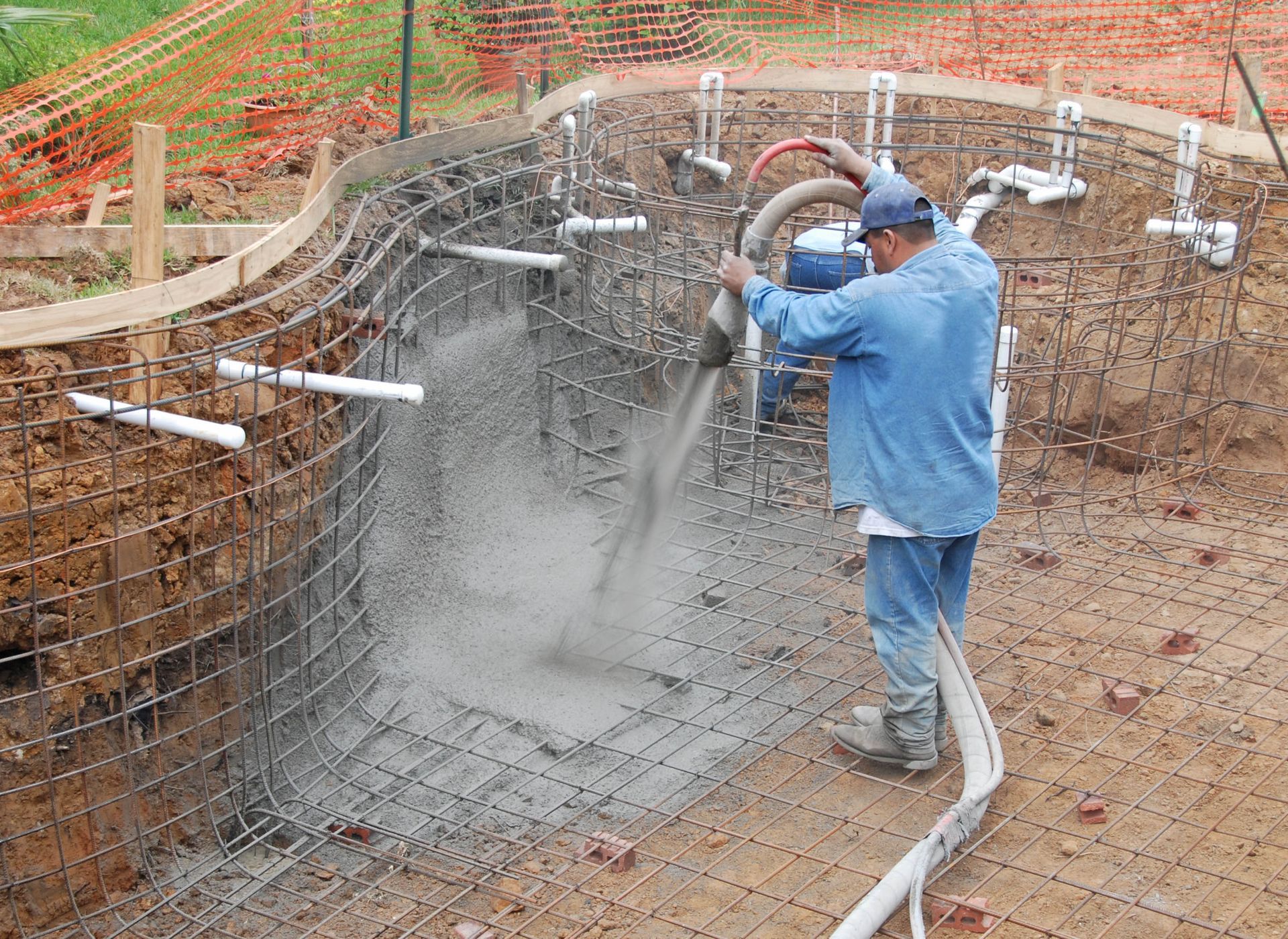
Concrete is a composite material composed of fine and coarse aggregate bonded together with a fluid cement that hardens over time. It exhibits unique characteristics such as high compressive strength, versatility, and adaptability to various shapes. These properties make it an ideal choice for driveways as it can withstand heavy loads and frequent use. Understanding the composition of concrete helps in appreciating why it is a preferred choice for driveways. Moreover, its characteristics allow creative designs to enhance the aesthetic appeal of a property.
Advantages Over Other Materials
Concrete driveways offer various advantages over other materials like asphalt, gravel, or pavers. One significant benefit is their longevity; according to NerdWallet, a concrete driveway can last from 30 to 40 years with proper maintenance. Concrete also provides a clean and polished look, which can significantly boost the curb appeal of a home. Additionally, concrete is less prone to the deterioration caused by exposure to the elements compared to other materials. The cost-effectiveness over time, owing to its durability, makes concrete a wise investment for homeowners.
Common Issues and Concerns
Despite its durability, concrete driveways are not immune to issues and require ongoing maintenance. Common concerns include cracking, discoloration, and surface erosion due to exposure to harsh weather conditions and chemical spills. Without regular upkeep, these issues can accelerate the degradation process, reducing the lifespan of the driveway. Awareness and early detection of these signs can help mitigate the impact. Employing preventive measures will ensure that the driveway remains in optimal condition.
Lifespan Expectations
The lifespan of a concrete driveway largely depends on factors such as the quality of construction, usage, and maintenance practices. With proper installation and regular upkeep, a concrete driveway is expected to last between 30 and 40 years. This longevity is an attractive feature for homeowners who prefer a one-time investment rather than frequent replacements. Routine care can significantly extend the life of a concrete driveway, providing long-term cost savings. Ultimately, a well-maintained concrete driveway reflects positively on the overall property value.
Initial Costs vs. Maintenance Costs
When considering installation costs, concrete driveways may appear more expensive than other materials like gravel or asphalt. However, the longevity and minimal maintenance costs make concrete a more economical option in the long run. Over time, maintenance expenses, including cleaning, sealing, and minor repairs, are relatively lower. Homeowners should weigh the initial expenditure against potential savings, factoring in the expected lifespan of 30 to 40 years. A cost-benefit analysis can reveal the true value of investing in a concrete driveway.
The Importance of Regular Cleaning
Frequency of Cleaning
Regular cleaning is essential for maintaining the appearance and integrity of a concrete driveway. It is recommended that homeowners clean their driveways at least twice a year, especially before and after harsh weather seasons. Periodic cleaning helps to remove debris, mold, and stains that can deteriorate the surface over time. Keeping a consistent cleaning schedule also allows for early detection of potential issues, such as cracks or discoloration. This proactive approach can prevent extensive damage and prolong the driveway’s lifespan.
Tools and Materials Needed
To effectively clean a concrete driveway, certain tools and materials are necessary. A stiff broom, pressure washer, and appropriate cleaning solutions form the basic toolkit for driveway maintenance. Non-toxic, biodegradable cleaners are recommended to maintain environmental safety while cleansing the surface. For stubborn stains, a mix of baking soda and water can be used as an effective cleaning agent. Proper tools ensure that the cleaning process is efficient and thorough, contributing to the driveway's longevity and appearance.
Methods for Cleaning Stains
Stain removal on concrete driveways requires specific techniques to avoid surface damage. For organic stains like leaves or mold, a combination of water and baking soda is often effective. Oil stains may need stronger agents and some scrubbing with a stiff brush. Rust and other stubborn stains might require professional-grade cleaners or even a pressure washer set at the correct PSI to lift the stain without affecting the concrete. Understanding the nature of each stain and the appropriate cleaning method will maximize efficiency and results.
Handling Oil, Rust, and Chemical Stains
Oil, rust, and chemical stains can detract from a driveway’s appearance if not addressed promptly. For oil stains, kitty litter or baking soda can help absorb the fresh spill, while using a tool will lift residue from older stains. Rust stains often require a specialized rust remover designed for concrete, ensuring no discoloration. Chemical stains, depending on their severity, may need a targeted approach with a commercial cleaner. Addressing these stains quickly reduces the risk of permanent damage to the driveway.
Pressure Washing Tips
Pressure washing is an effective way to clean a concrete driveway thoroughly. However, caution must be exercised to avoid causing pitting or scarring the concrete surface. A pressure washer with a PSI of 3000 or less is recommended to balance cleaning power with safety for the material. It is best to start in one corner and move systematically across the driveway, maintaining a safe distance to ensure even cleaning. Regular use of this method can help maintain a clean, polished appearance and resist mold buildup.
Preventing and Repairing Cracks
Causes of Cracks
Cracks in concrete driveways can occur due to several reasons such as settlement, temperature changes, or excessive load. Expansion and contraction from extreme temperatures can create stress, leading to cracking over time. Similarly, soil movement or improper base layer preparation during installation can contribute to premature cracking. Understanding these causes can help homeowners implement preventative measures, such as adequate drainage and timely sealing. Addressing the root of the problem ensures long-term durability and reduces repair costs.
Filling Small Cracks
Small cracks are common in concrete driveways and can often be repaired with a simple DIY approach. Crack sealers or fillers designed for concrete can be used to fill these minor imperfections. The area should be cleaned thoroughly before applying the filler to ensure good adhesion. Once filled, it is important to allow the area to cure completely before exposing it to traffic or stresses. Regular inspection and timely repairs prevent the expansion of small cracks into significant structural issues.
Dealing with Larger Cracks and Holes
Larger cracks and holes in a concrete driveway may require more extensive repair work. For substantial repairs, using a concrete patch compound is often necessary to restore strength and appearance. The damaged area should be cleaned, and any loose material removed before applying the patch. Depending on the extent of the damage, multiple layers or sections may need treatment. While some larger repairs can be undertaken as a DIY project, consulting a professional can ensure the best outcome, especially for complex cases.
Concrete driveway maintenance is an ongoing process that requires attention to detail and regular care. By understanding the nature of concrete, performing regular cleanings, preventing and repairing cracks, sealing appropriately, protecting against weather, and conducting routine inspections, homeowners can greatly extend the life of their driveways. A well-maintained concrete driveway not only enhances curb appeal but also adds value to the property, embodying both strength and beauty. Be sure to reach out to Brite Decks today to learn more about our professional resin bound stones!