August 11, 2026
A pristine outdoor swimming area serves as a personal sanctuary during warmer months, providing a refreshing escape for family members and guests. However, continuous exposure to weather and natural aging can take a heavy toll on concrete surroundings. Noticing unsightly fractures across your outdoor slab can be alarming and deeply frustrating. Concrete surfaces situated around swimming pools face extreme humidity, relentless solar heat, pool chemicals, and natural ground movement. Ignoring minor surface flaws often leads to severe structural degradation, safety hazards for barefoot swimmers, and costly total surface replacements. Understanding why these fissures form and how industry experts remedy them helps homeowners preserve both the safety and aesthetic appeal of their outdoor living spaces.
When concrete surrounds begin to show signs of structural fatigue, property owners often feel overwhelmed by the apparent complexity of proper restoration. Surface fractures not only detract from visual beauty but can also snag bare feet, trap moisture, and signal deeper foundation shifts beneath the slab. Restoring a damaged surface requires specialized knowledge, appropriate materials, and precise professional execution. By addressing the root causes of deterioration early, you safeguard your backyard investment and maintain an inviting, highly functional leisure zone for years to come. Investing time into understanding modern restorative options like pool deck resurfacing can completely revitalize your outdoor living environment.
Identify the Underlying Causes of Concrete Damage
Concrete appears virtually indestructible, yet it is inherently vulnerable to specific physical and environmental stressors. Soil movement beneath the slab is a primary contributor to structural shifting. As moisture levels in the surrounding soil fluctuate, the ground expands and contracts, placing immense stress on the heavy concrete slab above. Over time, this constant subterranean motion forces rigid concrete to split open.
Furthermore, improper soil compaction during initial construction creates hollow pockets beneath the surface, removing essential support and leading to premature cracking under heavy structural loads.
Temperature fluctuations also play a massive role in deteriorating outdoor surfaces. Concrete naturally expands when heated by direct sunlight and contracts as ambient temperatures drop. Without adequate expansion joints engineered into the layout during installation, this thermal movement generates severe internal tension that eventually breaks the material apart. Additionally, water intrusion poses a constant threat. Water that seeps into microscopic surface pores can freeze during chilly weather or erode the subbase during warm seasons. Exposure to harsh pool chemicals further degrades structural binders within the concrete matrix, accelerating surface flaking, pitting, and widespread fracturing.
Recognize Early Signs of Structural Deterioration
Detecting surface failure in its initial stages prevents localized problems from expanding across your entire leisure area. Minor hairline cracks are often the earliest warning signs, appearing as delicate, web-like patterns across the concrete. While these faint lines might seem purely cosmetic upon initial inspection, they allow water to penetrate deeper into the slab, setting the stage for more aggressive structural failure. Ignoring small crevices guarantees that moisture and chemical runoff will continue deteriorating the underlying substrate.
As deterioration progresses, hairline fractures evolve into wider gaps and uneven slabs. You may observe surface scaling, where the top layer of concrete flakes off, exposing coarse aggregate underneath. Horizontal shifts between adjacent slabs create dangerous tripping hazards along high-traffic walkways surrounding the water. Additionally, hollow sounds produced when walking across specific sections indicate that the concrete has separated from its underlying base layer. Recognizing these early warning indicators allows property owners to intervene before full slab demolition becomes the sole viable remedy.
Explore Professional Techniques for Lasting Repairs
When addressing damaged concrete around swimming areas, professional contractors rely on proven methodologies tailored to the specific severity of damage. Simple cosmetic fixes rarely provide long-term success because they fail to address underlying structural instabilities. Professionals begin by thoroughly cleaning the affected area using commercial high-pressure washing systems to remove algae, chemical residue, debris, and loose surface material. Proper surface preparation ensures that specialized repair compounds bond seamlessly with the existing substrate.
For deeper structural cracks, specialists utilize epoxy or polyurethane injections to fill internal voids and restore structural strength. These advanced polymer materials penetrate deep into the fissure, expanding to seal off moisture pathways and lock the concrete back together. Once structural integrity is restored, professional pool deck resurfacing becomes an ideal solution for unifying the entire surface. This comprehensive restoration method coats the existing slab with a durable polymer-modified overlay, effectively erasing past repairs, smoothing out rough textures, and creating a cohesive foundation that withstands heavy foot traffic and harsh weather conditions.
Understand the Process of Surface Transformation
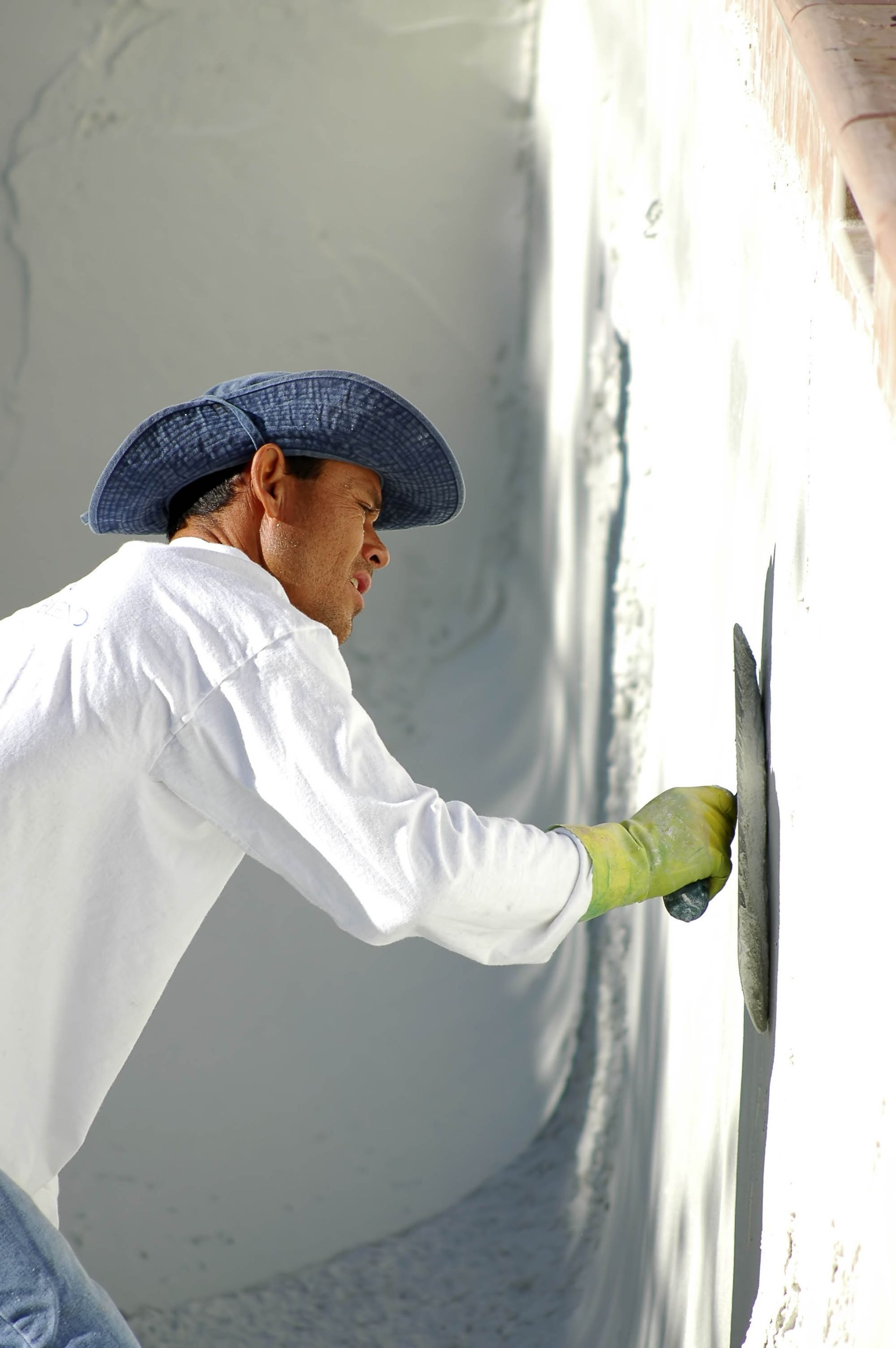
Transforming a weathered, cracked surface into a stunning outdoor showcase involves a multi-step application executed by trained specialists. After structural cracks are successfully repaired and stabilized, technicians apply a polymer-modified cementitious coating across the entire slab. This high-performance layer bonds molecularly with the underlying concrete, creating a fresh canvas without requiring expensive and disruptive demolition.
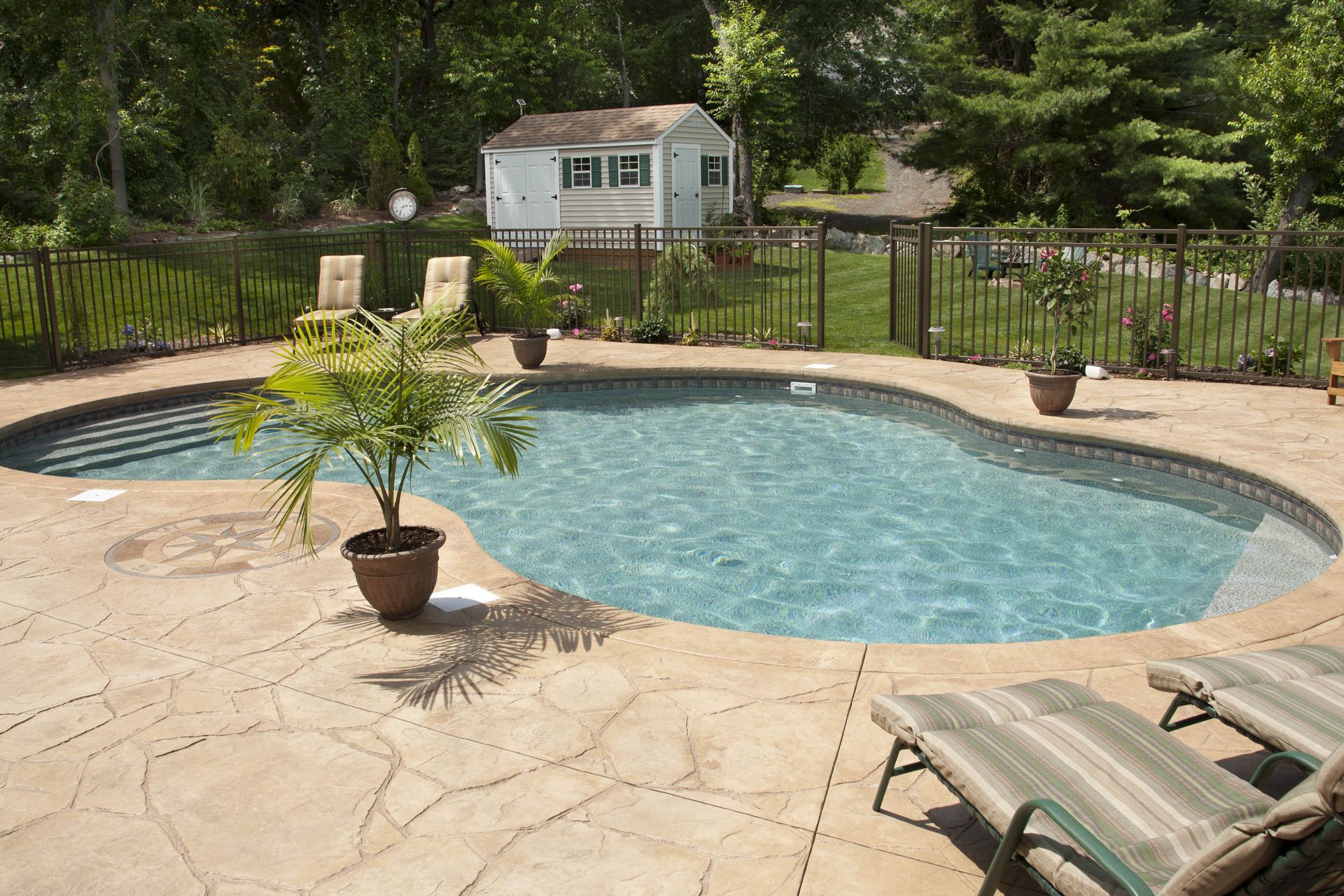
Beyond enhancing visual aesthetics, modern overlay materials provide superior functional benefits. Specialized decorative overlays can be troweled or stamped to imitate natural stone, slate, or elegant pavers while maintaining a comfortable surface temperature underfoot. Slip-resistant textures are incorporated into the finish to maximize safety around wet pool margins. According to This Old House, plan to have 15 to 20 percent of your deck construction budget in reserve to cover unforeseen things once the work starts. This financial cushion ensures that unexpected substrate issues or custom finish requests can be handled seamlessly during the transformation process.
Implement Essential Care to Prevent Future Cracks
Maintaining a restored surface requires proactive care to prevent new fractures from developing over time. Regular cleaning removes harsh pool chemicals, organic debris, and dirt that can erode protective coatings over time. Sweeping away leaves and periodically washing the surface with mild detergent preserve the vibrant finish and prevent stain absorption. Property owners should also monitor pool chemistry carefully, as overly acidic or alkaline splash water can dull decorative overlays and degrade protective sealers.
Applying a high-quality protective sealer represents a highly effective preventative measure for long-term maintenance. Clear sealers create an invisible barrier that repels water, resists ultraviolet radiation, and shields concrete from chemical penetration. Reapplying protective sealers periodically keeps the surface vibrant and resilient against harsh weather extremes.
Partner With Experts for Superior Outdoor Results
Achieving a flawless, long-lasting restoration demands specialized equipment, premium materials, and experienced craftsmanship. Attempting do-it-yourself repairs often leads to mismatched colors, temporary patches that fail quickly, and unaddressed structural weaknesses beneath the surface. Professional contractors possess the technical expertise required to evaluate soil conditions, diagnose failure modes, and apply commercial-grade solutions designed for long-term durability.
Investing in expert pool deck resurfacing revitalizes your entire outdoor entertaining area, dramatically boosting property value and curb appeal while ensuring optimal safety for family and guests. Quality craftsmanship transforms worn concrete into an inviting oasis that handles daily recreational use with ease. At Brite Decks, we deliver exceptional craftsmanship and durable surface transformations tailored to your unique outdoor vision, restoring peace of mind and breathtaking beauty to your backyard haven.
A cracked, deteriorating pool surround detracts from the enjoyment and value of your home, but full slab replacement is rarely necessary. By identifying root causes, recognizing early signs of decay, and opting for professional pool deck resurfacing, you can breathe new life into your outdoor living area. Modern repair techniques combined with high-grade overlay materials deliver resilient, slip-resistant, and aesthetically stunning surfaces that endure season after season. Taking proactive steps today ensures a beautiful, safe foundation for countless memorable days by the water. Contact us today to learn more.