November 13, 2026
The concrete surrounding a swimming pool is constantly in use, whether someone is crossing it with wet feet, relaxing beside the water, or moving chairs into the shade. Sun, moisture, and regular foot traffic can leave that surface cracked, discolored, or worn. When those changes become noticeable, pool deck services can help restore the existing concrete and make the area more inviting. Resurfacing is particularly worth considering when the slab is still suitable for restoration but the finish no longer meets the homeowner's needs. Because this area sits beside water, its needs differ from those of an ordinary patio. Restoration choices can affect daily use just as much as appearance.
1. Address Cracks and Worn Concrete
Cracks, chipped areas, and patches of deteriorating concrete tend to become more noticeable as the surrounding surface ages. Besides affecting appearance, these flaws can create irregular spots where water and debris collect. A worn pool deck may still serve its basic purpose, but overlooking damaged areas can allow weather and moisture to take a greater toll on an already vulnerable finish. The difference between a weathered finish and damaged concrete also affects which restoration approach makes sense.
Crack repair and surface restoration are common reasons to seek out pool deck services, particularly when a new concrete overlay is being considered. Instead of concealing damage beneath a decorative finish, resurfacing work addresses problems in the existing surface as part of preparing it for a renewed appearance. Not every slab is a suitable candidate, however, and the condition of the underlying concrete determines whether an overlay is appropriate. That distinction matters because the goal is to restore a serviceable surface, not cover problems that require a different assessment.
2. Improve Traction in Wet Areas
Water inevitably reaches the deck when swimmers enter and leave the pool. On smooth concrete, that moisture can make walking less secure, especially near steps, seating areas, and frequently used pathways. The texture underfoot therefore deserves attention alongside the way the surface looks. Foot traffic often concentrates along the routes between the pool and seating. This is especially important for a deck used by people of different ages who may move around the pool throughout the day.
Slip-resistant coatings and textured finishes can help improve traction in areas regularly exposed to water. Their performance depends on the specific finish, surface condition, and upkeep; no coating eliminates the possibility of slipping. A professional can help explain the available textures and how they may affect both grip and comfort. The aim is a finish that suits poolside activity without making the deck unnecessarily rough or difficult to use.
3. Refresh an Outdated Outdoor Space
Because a pool deck occupies so much visible space, faded color and patchy concrete can influence the appearance of the entire backyard. Updating furniture or landscaping may have less impact when the surrounding deck still looks worn. Resurfacing offers a way to refresh that prominent surface without automatically replacing the slab underneath it, provided the concrete is appropriate for restoration.
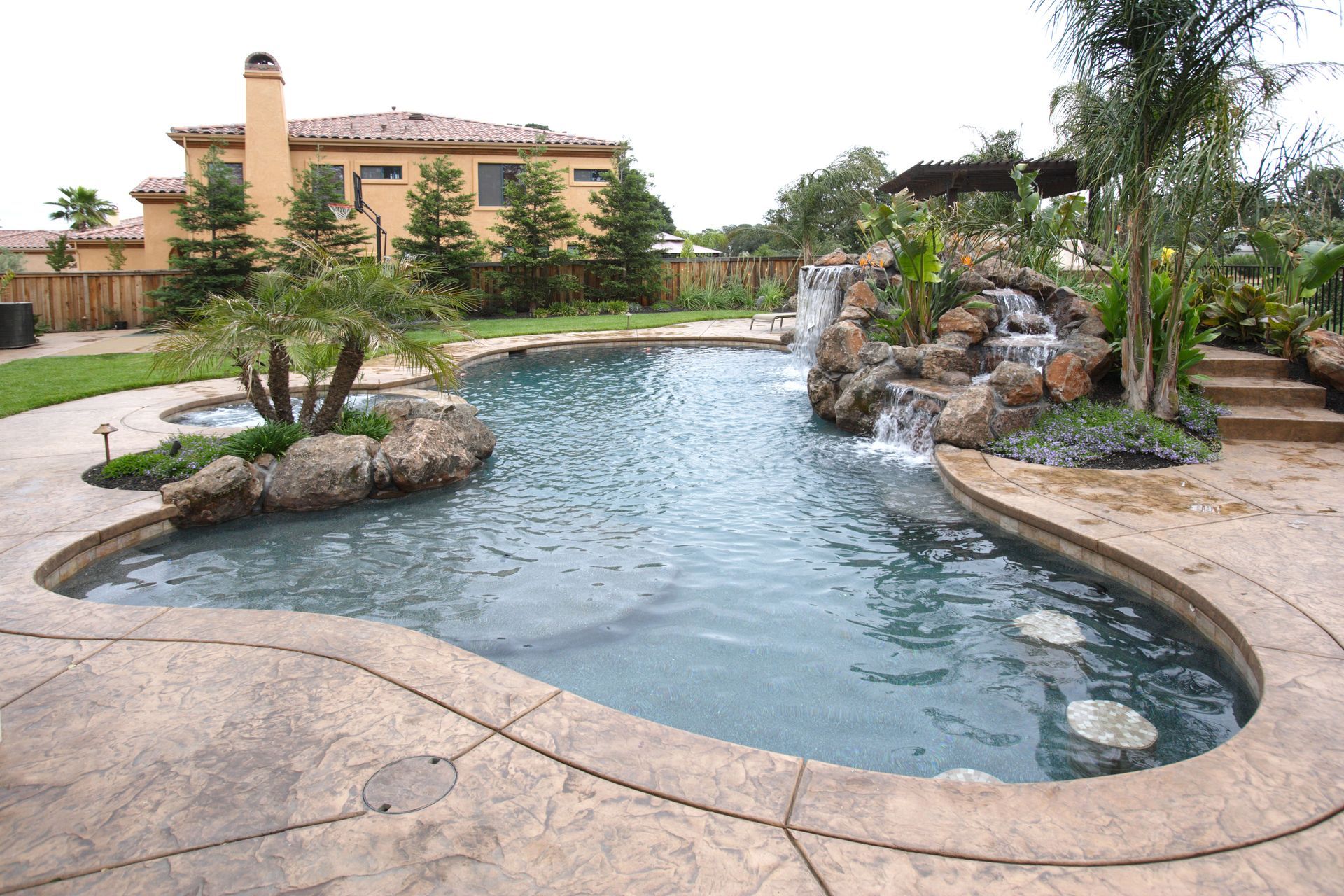
The design possibilities are another reason to consider pool deck services, from color and texture customization to decorative overlays and stamped concrete refinishing. Some patterns can suggest the look of stone or tile, while others create a clean, understated finish. The most effective choice usually complements the pool's shape, the home's exterior, and nearby outdoor features. Thoughtful color and texture selection can bring the area together without making the deck compete with everything around it.
4. Protect Against Everyday Exposure
Poolside concrete faces a combination of moisture, intense sunlight, shifting weather, and contact with pool chemicals. Over time, those conditions may contribute to fading, staining, or further surface deterioration. Cracks and other vulnerable areas can also allow moisture to reach portions of the concrete that are already damaged. For a deck that remains outdoors year-round, durability is as important as a refreshed appearance.
Sealing and protective treatments can be incorporated into resurfacing work to help defend the finished surface against moisture and environmental wear. The protection offered varies with the product and the conditions it encounters, so a sealant should not be viewed as a permanent barrier against every problem. A suitable treatment works alongside proper surface preparation and, where appropriate, a concrete overlay. Together, those elements can help preserve the renewed finish and reduce avoidable deterioration.
5. Make the Deck More Comfortable to Use
Pool decks are often walked on barefoot, making surface temperature and texture particularly noticeable. Concrete exposed to direct afternoon sun can become uncomfortable, while rough, damaged patches may make the trip from the water to a lounge chair less pleasant. These everyday experiences can affect how people enjoy the surrounding space, even when the pool itself is in excellent condition. As shade shifts throughout the day, the same area may feel different in the morning and afternoon.
Some resurfacing finishes are designed to reflect more heat than traditional exposed surfaces, and texture choices can affect how the deck feels underfoot. When exploring pool deck services, homeowners can discuss finishes that balance comfort, traction, and appearance. Actual surface temperatures depend on sunlight, color, material, and weather; no treatment guarantees cool concrete throughout the day. What matters is choosing a finish with the conditions around the pool in mind rather than selecting it solely from a picture.
6. Reduce the Difficulty of Routine Upkeep
A weathered deck can be frustrating to keep presentable. Dirt settles into rough patches, discoloration becomes more obvious, and worn finishes can make the surface look neglected even after it has been cleaned. Restoring damaged areas and applying a more consistent finish can make the deck easier to maintain while helping it look cared for between cleanings.
Certain overlays and protective treatments can limit staining and moisture intrusion, although results depend on the selected system. That makes easier upkeep another practical reason to consider pool deck services, particularly when the existing finish has become difficult to keep presentable. Regular care is still necessary, and some finishes benefit from periodic resealing to preserve their protective properties. Resurfaced decks do not all have the same care requirements, so maintenance recommendations should reflect the materials used. Care that suits the resurfacing materials can help maintain the renewed finish through ongoing use.
7. Work With Professionals Who Understand Resurfacing
Pool deck restoration is a specialized application of concrete work. Repairing cracks, preparing the existing surface, selecting a decorative finish, and applying protective treatments require attention to how the materials will perform in a wet outdoor setting. General concrete experience is useful, but familiarity with poolside conditions helps put the right questions at the center of a project.
According to IBIS World, an estimated 50,000 to 55,000 concrete contracting businesses with payroll operate nationwide. That broad field includes work for many different kinds of surfaces, so homeowners have good reason to ask about experience with pool deck resurfacing specifically. When comparing pool deck services, useful topics include the condition of the slab, the proposed finish, how long the work is expected to take, and any available warranty coverage. Clear answers help set realistic expectations for the finished deck and the care it may need afterward.
A pool deck should feel like a natural part of the outdoor space, not an area homeowners avoid because its surface has deteriorated. Choosing an appropriate restoration approach begins with understanding what the existing concrete needs and what a new finish can accomplish. Brite Decks specializes in resurfacing existing pool decks, and we focus on finishes suited to each surface. Reach out to us to discuss your deck's condition and whether resurfacing may be appropriate.